


My Story in
Six Parts
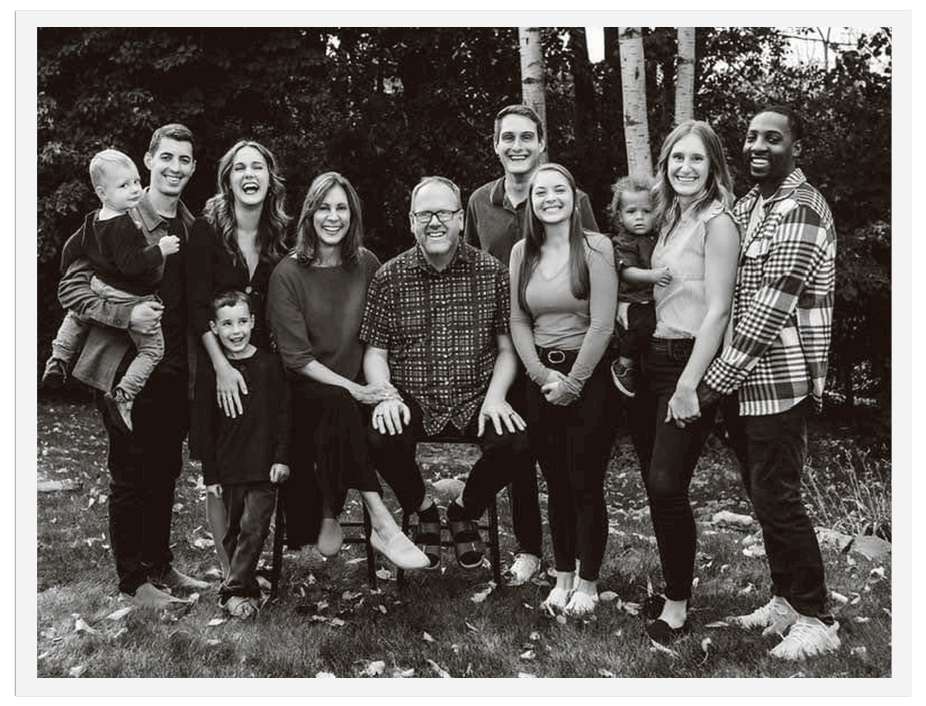
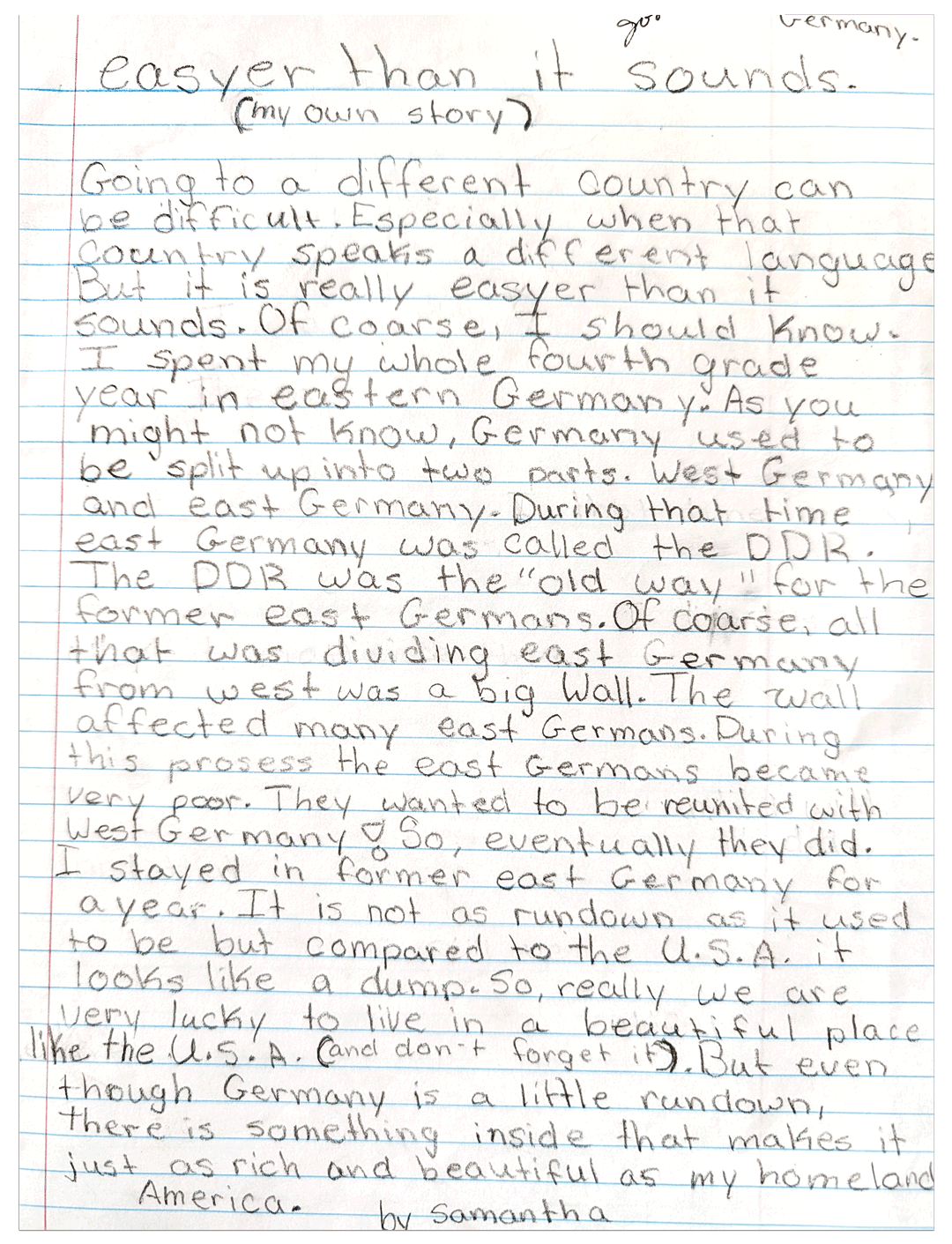
Two weeks before my ninth birthday, my family moved to Germany.
01.
Part One: Germany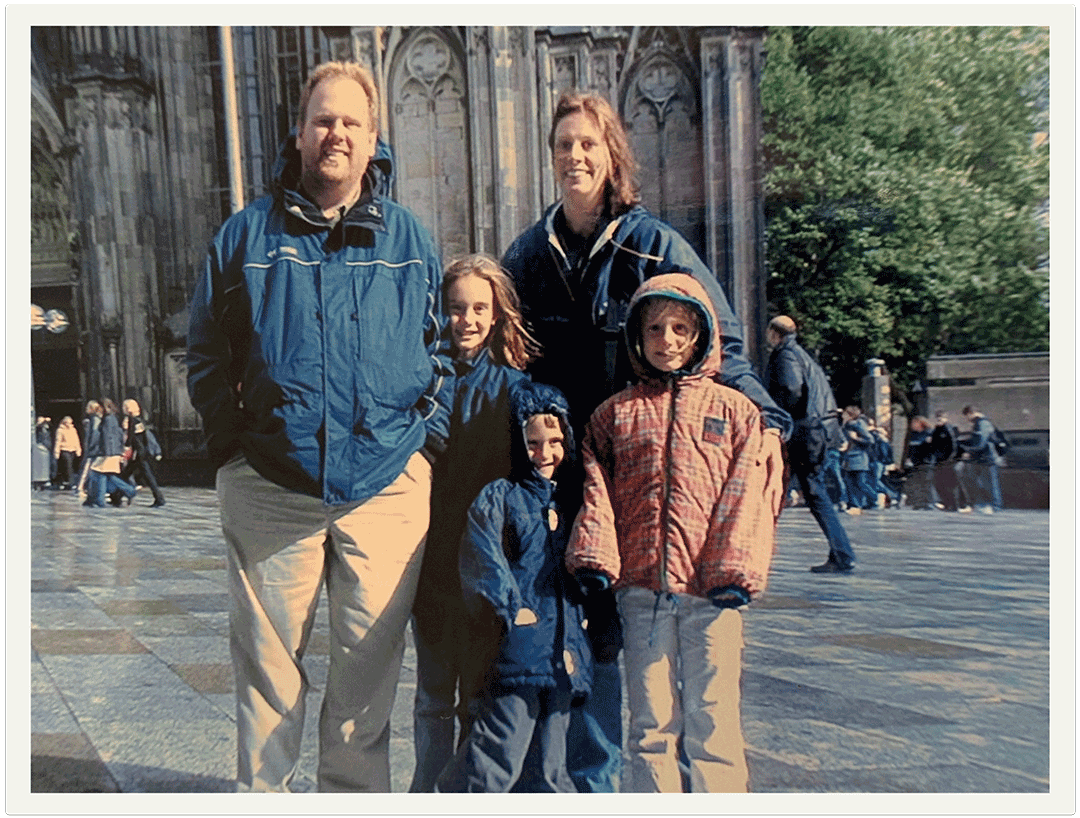
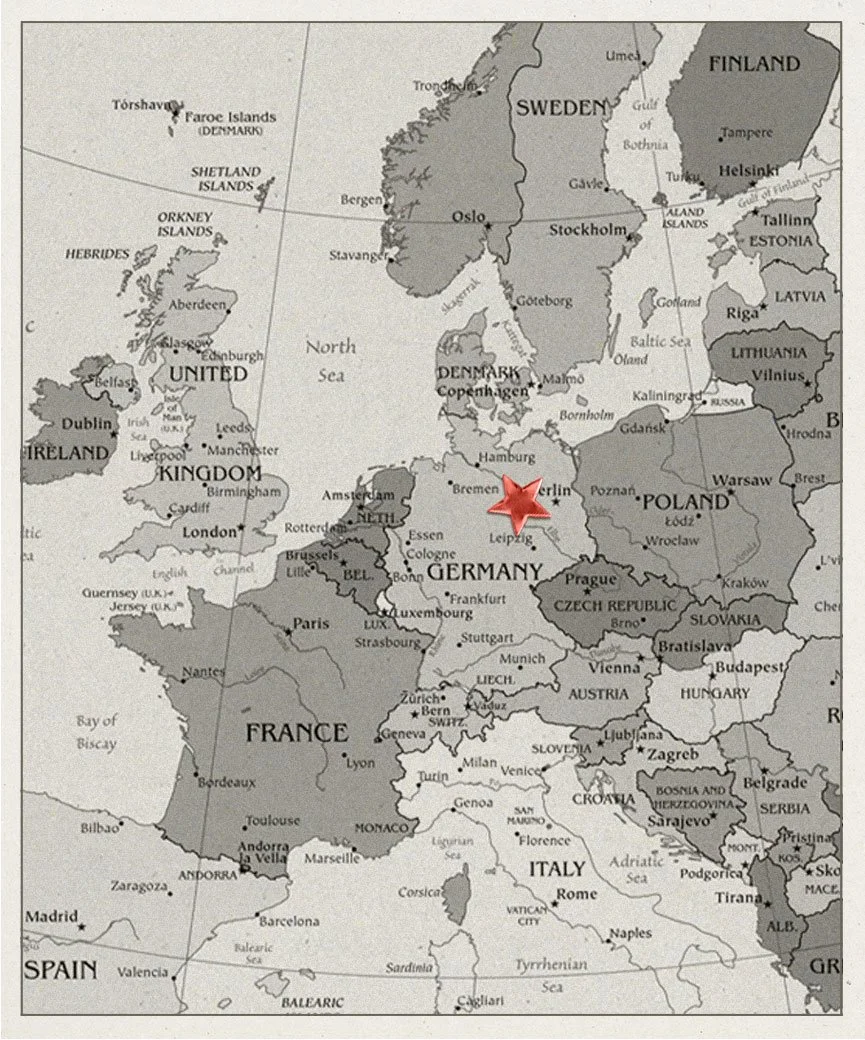
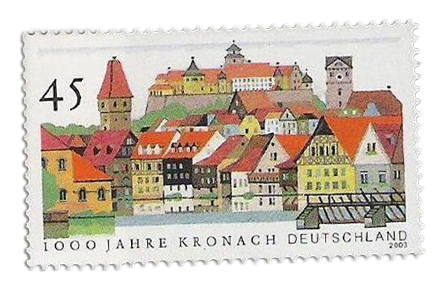
My mom, a high school German teacher, had applied to participate in a Fulbright Exchange Program, where she would essentially “life swap” with an English teacher living in Germany. Her application having been accepted, we moved to a small village about an hour east of Berlin. While my mom taught this teacher’s English classes, we lived in her family’s house, drove their cars, and attended their schools. Ditto for them, only here, in Wisconsin.
There are so many things I could write about that time in Germany: Polish cigarettes, naked naptimes at the preschool, miles of city bus riding, handball teams, the village’s men's volunteer dancing (stripping?) troupe, my crush on the dairy farmer’s son.

What’s most important about this story, however, is that when we moved, nobody in our family could speak German, except my mom.
I was turning 9, my sister was 7, and my brother was 4. And on the first day of school in this new, foreign place (which was, coincidentally, my birthday), my mom made sure we found the right teacher, and waved goodbye. That’s it.
For about a month we sat in class, understanding virtually nothing. And then, suddenly, we began to understand everything. At least, this is how my memory of that time goes. There was very little “transition” or “half-understanding” or “grasping”. It was more like a switch: by October, I was a German speaker.
And not just me, but my siblings too. It felt like magic - and thank God. We were able to live that year like normal kids, participating in school, sports, and neighborhood mischief at the large zipline swing in the village square.
But then, after a year, the life-swap program ended, and we had to go back home. And all of the German language input stopped.

As kids we thought very little about what this sudden cessation of German sounds would do to our language systems. And what ended up happening was unexpected indeed:
For me, nothing much changed. My German stayed stable and I was able to switch between German and English easily. When I went back to Germany two years later to stay with a friend, my German was as good as it ever was. I took advanced German classes at the high school as a middle schooler (while learning Spanish with my peers) and spent a semester abroad at 15. I eventually minored in both German & Spanish, and spent some years teaching both at the preschool level
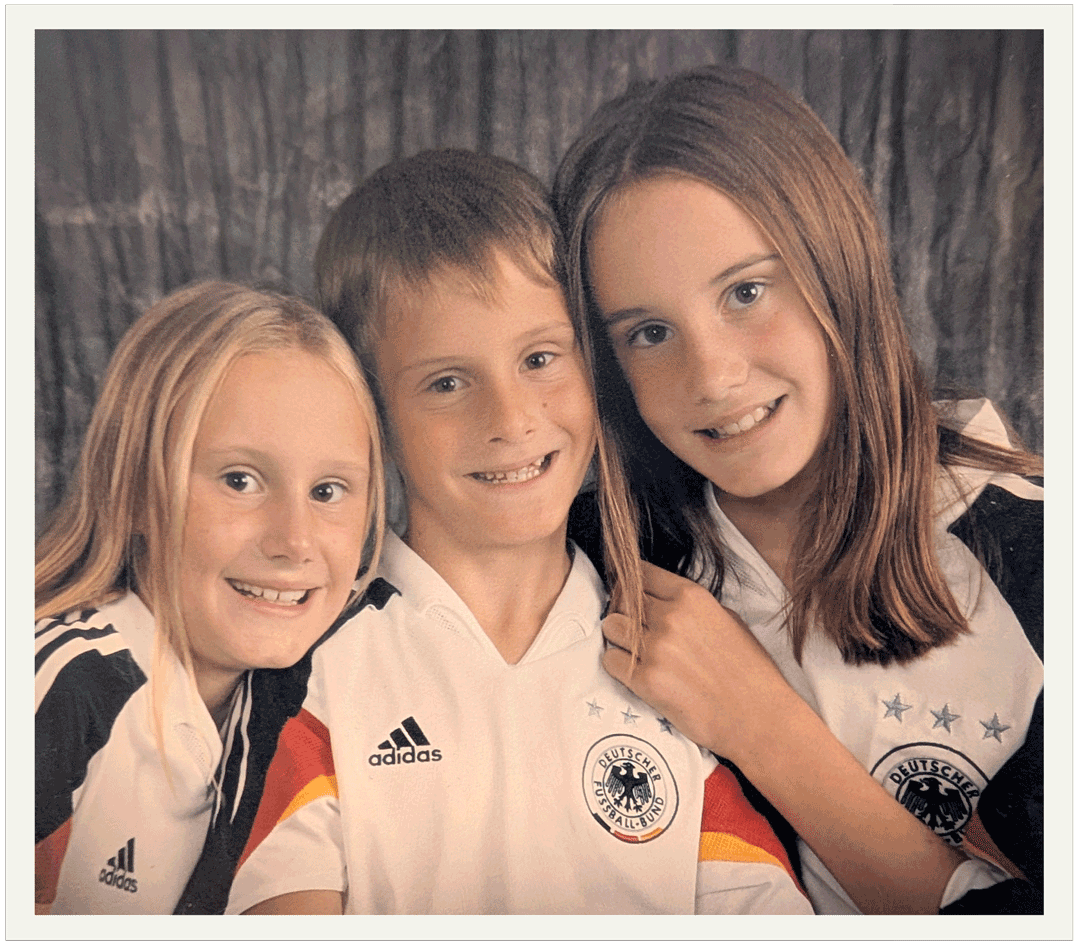
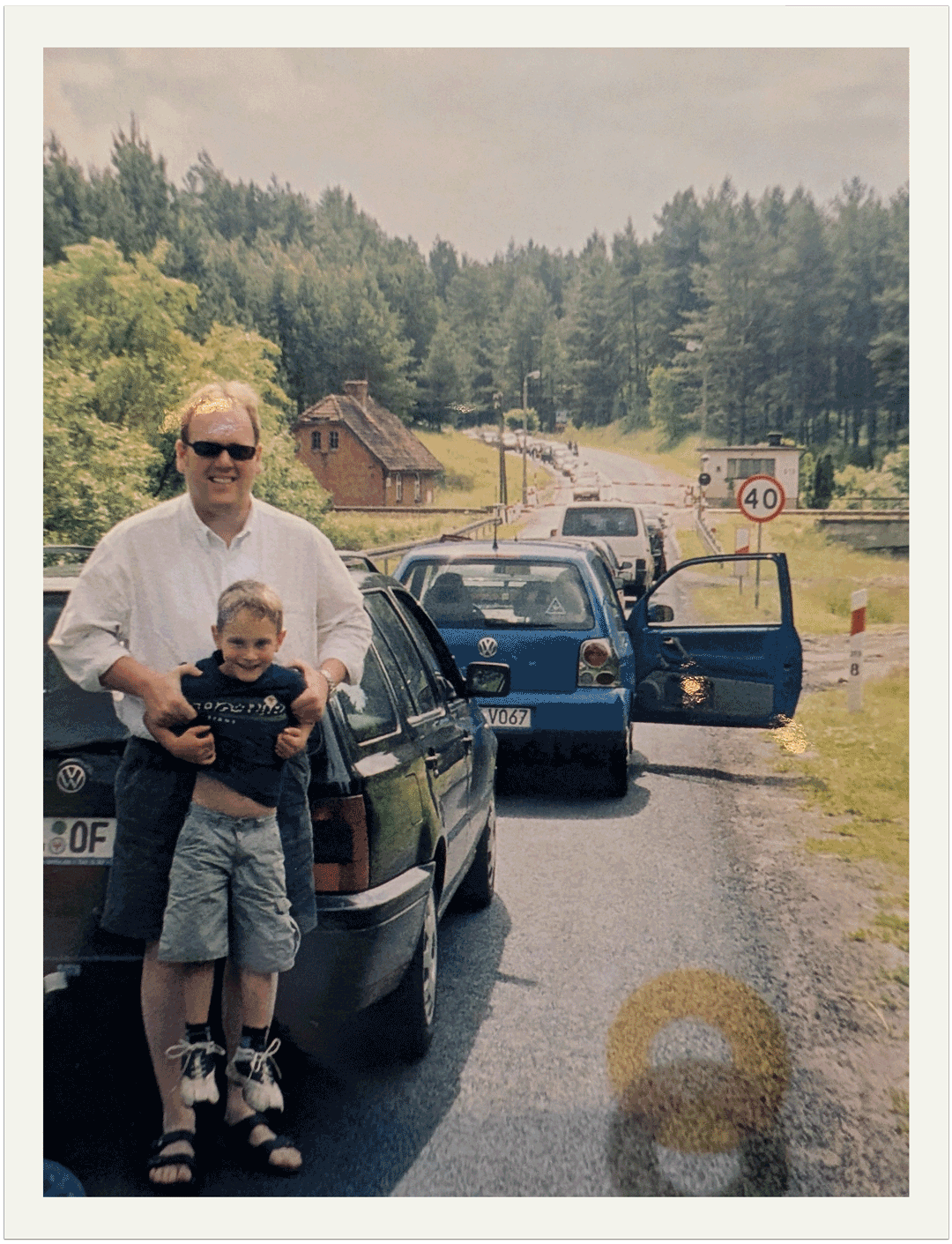
For my sister, things were harder. Her English word order was somehow compromised upon return: she spent some time rehabbing her native language in ESL classes (where she ended up meeting her best friend, an adoptee from Guatemala). To kick the German habits, she had to focus on English. Her German skills slowly faded to nothing more than understanding, and then, by puberty, mostly nothing at all.
My brother, who hadn’t even been fully literate when we lived there, lost his ability to speak quickly as well, though his understanding of German has remained relatively stable. When he returned as a high schooler, and then in College, he found he was able to get by and regain many things quickly, though he would never again describe himself as fluent.
By the time I was in middle school, I already noticed the differences in our German language-acquisition…and I had questions. Why - when we were genetically similar siblings, who were all pre-pubescent during our stay in Germany, and who all acquired German to a seemingly similar degree of fluency - why was there so much variation between who got to keep their German and who lost it?

Part two: undergradAnd while it turns out there isn’t a simple answer to my family’s language acquisition discrepancies, asking the question in an academic way once I got to college opened up a whole new world to me. I got the research bug.
02.
I graduated with my linguistics degree and two minors in German and Spanish after just 3 years at the University of Wisconsin-Milwaukee, but during those years I had so many exciting opportunities to be involved in undergraduate research - and I couldn’t get enough. I worked as an RA in a phonetics lab investigating covert contrast in English vowels; I spearheaded my own undergraduate project funded by a SURF grant that investigated vocabulary acquisition for second language learners using various online tools. I conducted an independent study for an honors college history course that compared the frequencies of MLK Jr’s speeches to those of other prominent speakers at the time, hoping to isolate the phonetic elements that made him a uniquely and identifiably “good” orator, and inspired by my favorite professor and boss in the phonetics lab, I designed a covert contrast experiment of my own for German-learning children (I was a German nanny during the Summers) - only this time taking the concept of covert contrast out of phonetics entirely and applying it to canonical and noncanonical grammatical constructs.

But while language research was turning into a vocational passion, something else was happening to me as well: I was becoming more deeply involved in and curious about theology.
03.
Part three: faithI was raised in a Christian home. My parents, one raised Presbyterian, the other Catholic, chose to raise my siblings and I first in a progressive congregational church, and then later joined a small non-denominational church plant, leaning evangelical. Growing up I was never tempted by Atheism, but there were still many intellectual barriers to becoming a Christ-follower that I had to overcome. That, in combination with attending public school and having no close Christian friends, delayed my own acceptance of Christianity.
When I was 15, I was accepted to be a part of a semester-long German exchange program. And, the week after a particularly traumatic high school-party/alcohol experience, I flew out: leaving my friends and family behind, but bringing the trauma with me.
Homesickness, isolation, and trauma plagued me during that semester abroad. But thankfully, in my darkest moment, because of the faithful upbringing by my parents, I cried out to God for rescue from torment.
And when I heard his voice, I was saved.
My life was completely changed after that. I returned from Germany a different person, and my friends noticed. I can see clearly now that this change was hard for them; I didn’t do a good job attending to their grief in having lost the version of me that they loved. In the moment, however, I was SO sure about the Truth of the Gospel, and SO ready for my life to be changed, that I didn’t see their drifting from me as grief, but rather as a subtle rejection of my new-found Faith. I was saddened by this, but not heartbroken, for I had found the Lover of My Soul, and no earthly friends could compete.
At UWM I filled up all of my extra electives with religious studies courses.
I was captivated by the Bible, but lacked confidence in reading it on my own. I wanted to learn theology the way I was learning linguistics: from scholars and experts. I was even selected to present an essay at the Religious Studies Conference my freshman year - the only freshman participating.
But at some point I had to decide between continuing my religious studies or finishing my minor in Spanish. I wanted to choose Religious Studies, but Spanish seemed more practical, so I abandoned my theological endeavors.
Part four: the real world04.
Upon graduation in 2015, real-life hit hard.
I hadn’t been accepted into any of the graduate programs I applied to. My high school boyfriend and I got married at 21 and moved to a different city for his job. All of a sudden we were working all day in just-okay jobs and far away from our college community. It wasn’t fun. Meanwhile, three of my four grandparents started declining, and between helping my parents care for them and watching each one die slowly, I felt a long way away from my tower of selfish and delightful ambition that I had built at UWM.
I thought I could turn the ship around with an exciting acceptance to the University of Wisconsin-Madison’s Master’s in Applied English Linguistics program. It was a start toward the future I had imagined for myself as a researcher. But then, less than a year in, I unexpectedly became pregnant with my first son.
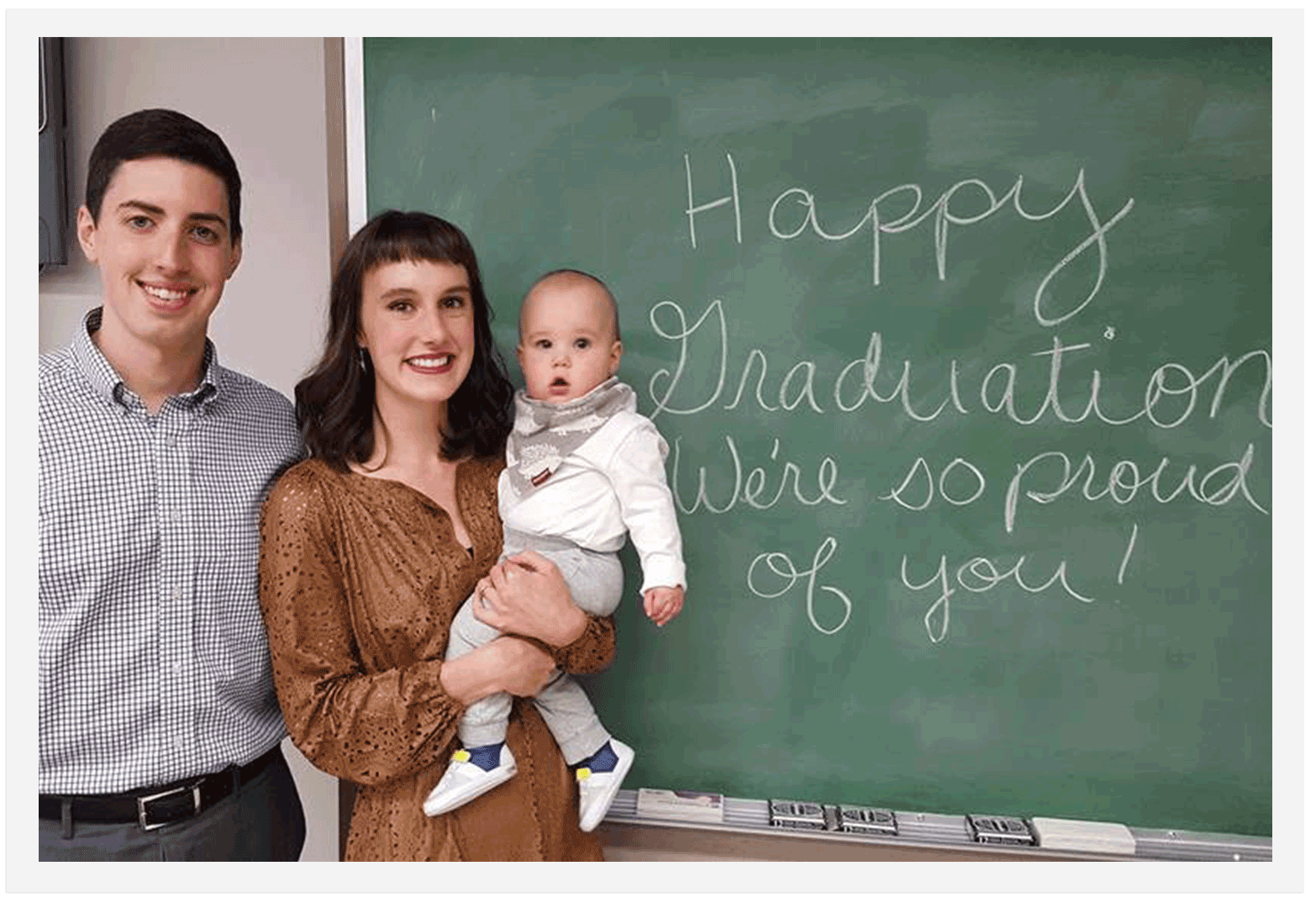
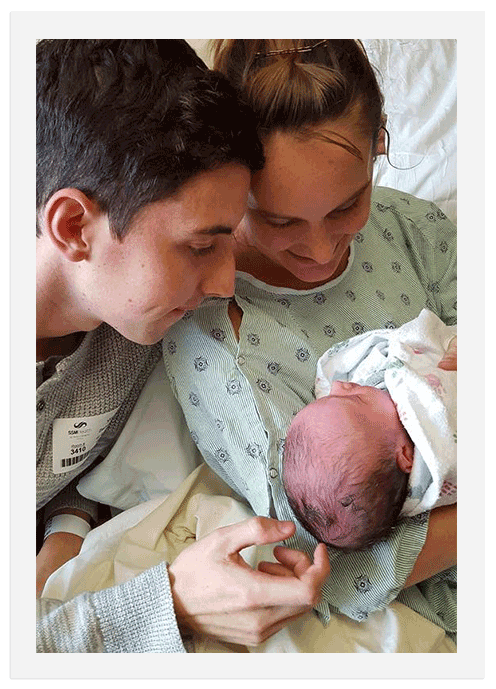
And while I continued as a researcher (and RA for a phonology project that involved taking MRI images of the larynx during speech projection), and finished my Master’s with honors (and baby) at 23, I was confused. My priorities were shifting, slowly, and I felt my PhD dream leave me.
The identity confusion this transition caused was incredibly acute. Who was I now? Just a mom? Can I call myself a linguist? What work can I do that will satisfy my curiosity as a researcher? And where did theology fit into any of this?
Up until this point, my faith had impacted my life mainly in an intellectual, decision-making kind of way. It was a guide, but not a practice. But this too started to change, and I found myself caring for an infant as a core member of a brand-new Church plant, one that required hours of hospitality, community, fellowship, and service. The time left over for my career was slipping away - but was I mad about it?
I was torn.

Part five: memra05.
I had started a small business, Memra Language Services, to run on the side while I cared for my son.
Memra was born in the pre-pandemic era, where “company culture” was a shiny new idea - one that I thought a linguist had a lot to contribute to. I took all of the research techniques I had been honing for the last several years and applied them to a new framework: the workplace. I used ambient language data that exist around teams and teamwork to analyze all sorts of different cultural metrics: leadership, psychological safety, bias, etc. Memra also designed and led language-based training for organizations.
Through this work, I learned a lot about entrepreneurial thinking. I published my K12 book series. I got to speak in front of hundreds of leaders.

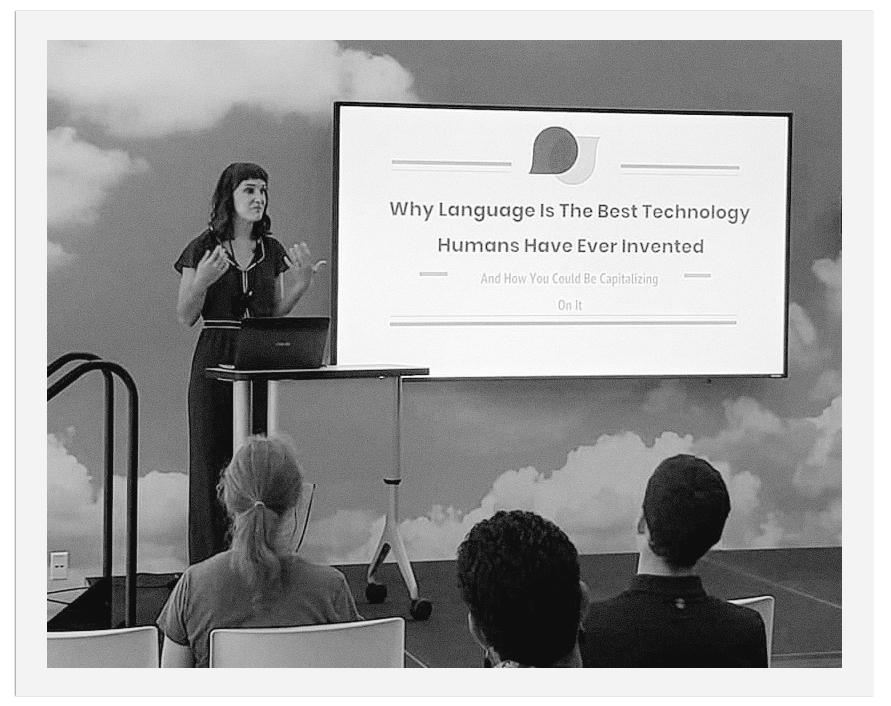
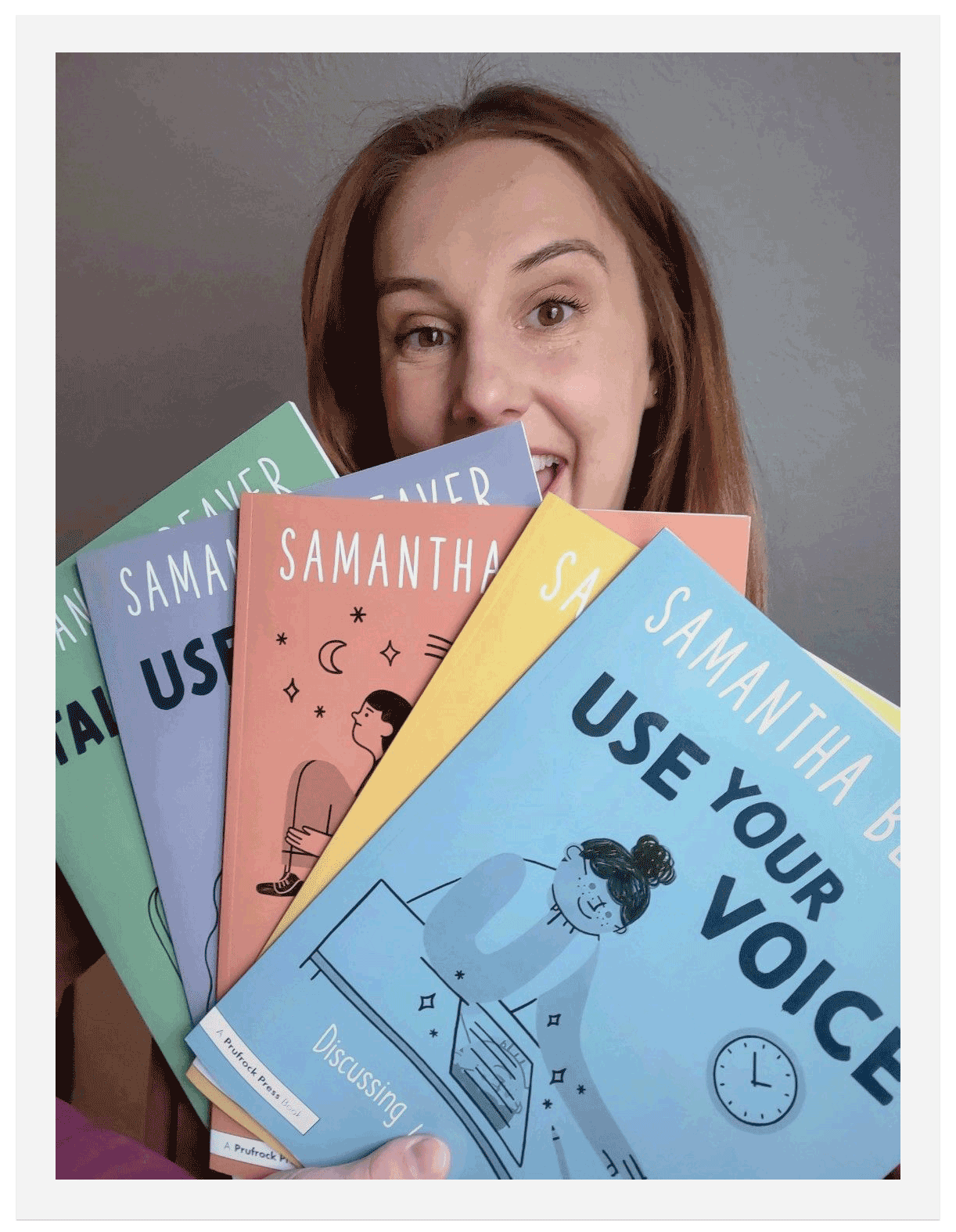
But I never did this work for more than 15 hours a week, and though there were times I had dreamed of growing Memra into something larger, more full-time, 7 years in I hadn’t devoted the time to grow it.
My priorities had remained my family and my faith, and they took up most of my time. By the time my youngest child was ready for Kindergarten, I realized that I had a small business that was a fun, intellectual distraction, but might not actually be the way I want to spend a full day.
It felt like there was a vocational call on my life that I had been circling around, but never quite landing on. I knew it would involve faith and service, but it also involved linguistics and entrepreneurship. I knew it would leverage the ways I had been trained in thought leadership, writing, content creation, and research.

…
And it was during this year of uncertainty and dissatisfaction that I received a special gift: an idea for writing a book - not only that, but the idea that perhaps I was a writer.
I rebelled against this idea at first: Memra turned out to be little more than a minorly lucrative hobby - wasn’t writing no different? Shouldn’t I pursue something more serious, more financially reliable? But the gift felt so special, so exactly made for my soul, that I could not turn it away. And so, here I am, writing for you.
Part six: today06.
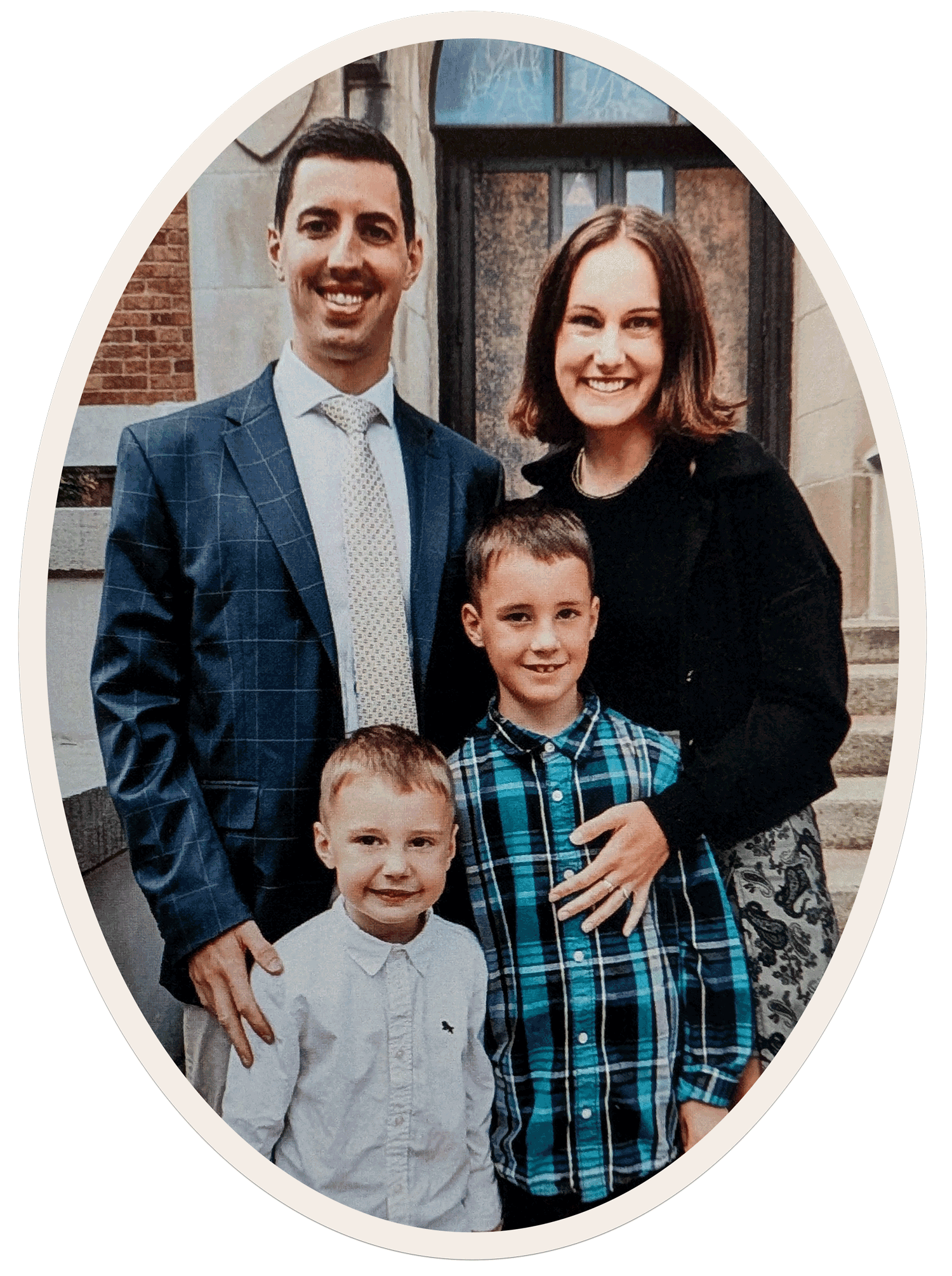
I have found, unequivocally, that happiness grows as the Self diminishes.
Every dream that has not come to pass - of getting a PhD, of starting a family at a more respectable age, of growing a successful business, of having a more normal career - has been part of a sacred process of stripping away my selfish ambition and training me in how to make little of myself and much of God and others.
In writing out my own story, though it remains far from finished, I cannot help but see so clearly how in each moment, God was preparing me for the next one. He has been faithful in providing for my every need, while also blessing me with undeserved moments of extreme joy throughout. I couldn’t be more thankful for the life that I get to live in service to Him, and I still struggle to fully comprehend the care he has taken at every turn, using my life to draw others near to Himself, and to shape my desires so that they reflect His own.
